Introduction: Exploring British Garden Ponds
Imagine a quiet Sunday afternoon, the sound of birdsong drifting through the air as you and your children tiptoe to the edge of your garden pond. In Britain, gardens are more than just a patch of green—they’re a beloved extension of our homes, a place where families gather, stories are shared, and nature’s wonders unfold right before our eyes. Wildlife ponds have become a cherished feature in many British gardens, providing a magical stage for frogs, dragonflies, and even the occasional hedgehog to make an appearance. But with these enchanting waters come plenty of myths and old wives’ tales. Today, we gently invite you to wade into the world of wildlife ponds, where we’ll explore the truth behind common beliefs and celebrate the special moments that only a garden pond can bring to family life. Whether you’re a seasoned gardener or just dipping your toes in, let’s embark together on this journey—one inspired by nature and shaped by generations of British love for gardens.
2. Myth: Ponds Attract Unwanted Pests and Troubles
One of the most common worries for British families considering a wildlife pond is the fear that it will invite all sorts of unwelcome pests into the garden—from swarms of mosquitoes to troublesome rats. But let’s take a closer look, together as curious gardeners, at what really happens when you welcome water into your green space.
Unpacking the Fears: Are Ponds Truly a Magnet for Problems?
It’s easy to picture a stagnant pond as a breeding ground for biting bugs or unpleasant creatures, especially if you’ve heard stories from neighbours or seen neglected puddles in public parks. However, a thoughtfully created wildlife pond is a whole different story. In fact, such ponds are balanced mini-ecosystems inspired by nature’s own design, where every plant and creature has a role to play.
The Role of Balance in a Healthy Pond
When we involve our children in observing pond life, we learn together that balance is key. A well-planted pond with plenty of native oxygenating plants doesn’t just look lovely—it also keeps water fresh and discourages algae and mosquitoes. The secret is inviting the right mix of wildlife: frogs, newts, dragonflies, and birds all help keep less desirable visitors in check. Here’s how the presence of certain animals impacts pest control:
| Helpful Creature | Pest Problem They Tackle | How They Help Your Garden |
|---|---|---|
| Frogs & Toads | Slugs & Snails | Eat garden pests that damage plants |
| Dragonfly Larvae | Mosquito Larvae | Reduce mosquito numbers naturally |
| Birds (like robins & blackbirds) | Insects & larvae | Keep bug populations under control |
| Bats (if nearby) | Midges & moths | Feed on flying insects at dusk |
A Haven Rather Than a Headache
By nurturing a pond with native plants and gentle edges—perfect for little feet to explore—you’re not inviting trouble, but offering sanctuary. In Britain’s temperate climate, natural predators thrive alongside their prey, keeping everything beautifully in balance. Involving your children in the seasonal changes around the pond can be an inspiring way to show them how nature works together rather than against us. So next time someone suggests that ponds only bring pests, you’ll know it’s more fiction than fact—a lesson best learned hand-in-hand with those you love, right in your back garden.

3. Myth: Wildlife Ponds Are High-Maintenance
It’s a common misconception in British garden culture that wildlife ponds demand endless hours of upkeep, leaving families hesitant to introduce these magical features into their gardens. However, the truth is quite the opposite—when inspired by the rhythms of native British plants and local ecosystems, wildlife ponds can become surprisingly easy-care and rewarding for all ages.
One key to creating a low-maintenance pond is to embrace nature’s own solutions. Choose resilient native species like marsh marigold, water mint, or purple loosestrife; these not only flourish with little fuss but also help keep your pond ecosystem balanced. Native plants act as natural filters, reducing the need for artificial cleaning and discouraging invasive algae growth. Instead of constantly tidying up, you’ll find yourself observing frogs hopping onto lily pads or dragonflies zipping through irises—a delightful spectacle for both grown-ups and children.
Think of your pond as a living storybook. Encourage your little ones to help with simple seasonal tasks such as gently removing excess fallen leaves in autumn or topping up water during dry spells with collected rainwater. These small moments nurture curiosity and connection with nature while keeping maintenance light and manageable.
By letting go of perfection and following the gentle guidance of native British plants, your family can enjoy a thriving wildlife haven without being tethered to endless chores. The secret lies in working with the natural flow—just as wildflowers weave their way through meadows, let your pond develop its own character, inviting wonder rather than worry.
4. Myth: Fish Are Essential for a Healthy Pond
One of the most common beliefs in British garden culture is that fish are a must-have for any wildlife pond. Many families, inspired by tales of golden carp and colourful goldfish, may feel that no pond is complete without a few scaly residents. However, while fish are delightful to watch and can become beloved members of the family, they are not essential for a thriving wildlife pond—especially if your goal is to support native British wildlife.
Let’s examine why: Fish, especially in smaller ponds, often disturb the delicate balance needed for other pond life to flourish. They tend to eat frogspawn, tadpoles, and aquatic insect larvae, which can dramatically reduce populations of these important creatures. This means that many of the unsung heroes of British ponds—frogs, newts, and a whole host of fascinating insects—find it difficult to survive where fish are present in large numbers.
The Real Stars: Frogs, Newts, and Insects
If you want your garden pond to become a bustling hub for local wildlife (and a magical learning spot for children), it’s better to focus on creating a welcoming environment for these remarkable creatures:
| Pond Hero | How They Help Your Pond | When You Might Spot Them |
|---|---|---|
| Frogs | Eat pests like slugs; their tadpoles help control algae. | Springtime spawning; summer hopping around the edges. |
| Newts | Keep insect populations balanced; their larvae contribute to nutrient cycling. | Early spring during breeding season; occasionally basking on stones. |
| Aquatic Insects (like dragonflies) | Pollinate plants; their larvae keep mosquito numbers down. | Late spring through autumn; dancing above water surface. |
The British Garden Connection
Traditionally, British cottage gardens embraced ponds as natural havens buzzing with life—not fish tanks. By allowing native species to settle in, families can witness the fascinating dramas of frog metamorphosis or dragonfly emergence right outside their window. Sharing these moments with children fosters curiosity about nature and encourages gentle stewardship of our green spaces.
A Gentle Reminder from Nature
Your pond doesn’t need fish to be beautiful or beneficial. Sometimes, less really is more! Embrace the wild little visitors who flutter and hop into your garden—they’re working quietly behind the scenes to keep your watery world healthy and enchanting for generations to come.
5. Myth: Ponds Are Unsafe for Children and Pets
It’s a common concern among British families that garden ponds pose a danger to little ones and beloved pets. While safety is paramount, the idea that ponds are simply too risky is one of the most persistent myths in British garden culture. In truth, with a touch of creativity and care—much like nurturing a sunflower from seed—a wildlife pond can become a safe haven for both children and animals, as well as a magical place for learning.
Creative Safety Solutions for Peace of Mind
There are plenty of family-friendly solutions to make ponds safer without losing their wild charm. For instance, installing sturdy mesh or grilles just below the water’s surface offers an invisible barrier. Low picket fencing or natural willow hurdles blend beautifully into the garden while keeping wandering feet at bay. Even surrounding the pond with dense planting can act as a gentle deterrent, guiding small explorers towards safer parts of the garden.
Ponds as Learning Hubs
Rather than shutting children away from nature, ponds can be an invitation to curiosity—much like the wonder sparked by planting and watching sunflowers grow. Supervised pond dipping with nets and magnifying glasses lets children discover tadpoles, water beetles, and lily pads up close. It’s a hands-on lesson in biology and responsibility, encouraging respect for wildlife while fostering precious family moments outdoors.
Nurturing Curiosity Safely
Just as we teach children to plant seeds carefully and wait patiently for them to grow, we can guide them in respecting pond boundaries and observing nature safely. Setting clear rules—such as always having an adult nearby—and involving children in caring for the pond builds their confidence and connection to the living world right outside their door.
A Wildlife Pond: A Family Affair
With thoughtful planning, a wildlife pond becomes much more than a water feature; it’s a living classroom where curiosity blossoms and family bonds deepen. British gardens have always thrived on ingenuity and togetherness—qualities that ensure every member of the family can enjoy the wonders of wildlife ponds safely and joyfully.
6. Celebrating Wild Spaces: The True Benefits of a British Wildlife Pond
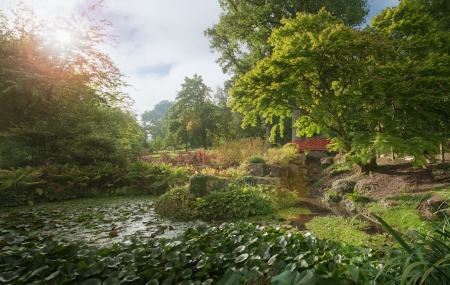
There’s something quietly magical about a wildlife pond nestled in a British garden. Beyond the myths and misconceptions, these watery wild spaces offer a gentle invitation to connect—with nature, with family, and even with our own sense of wonder. As dragonflies skim the surface and frogs find shelter among the reeds, we’re reminded that every garden, no matter how modest, can become a sanctuary for local biodiversity.
Ponds as Nature’s Heartbeat in Our Gardens
British wildlife ponds do far more than simply look pretty. They pulse with life—supporting everything from rare newts to busy pollinators. Each creature that visits or calls your pond home is part of a delicate web, helping to keep our native ecosystems thriving. Children delight in spotting tadpoles or water boatmen, learning through observation that every living thing has its place and purpose.
Fostering Family Connections Through Shared Discovery
Pondside moments encourage us to slow down and savour time together. Whether it’s donning wellies for a rainy-day exploration or listening quietly for the first croak of spring, tending to a pond creates shared rituals that families cherish. These mindful experiences foster curiosity and empathy—planting seeds for a lifelong appreciation of the natural world right outside the back door.
Nurturing Resilience, Curiosity, and Stewardship
Through every season, ponds invite us to witness change and resilience. We see plants emerge after winter’s chill and creatures adapt to shifting weather—a living lesson in patience and hope for both young and old. With each visit, children learn not just about wildlife but about their own role as caretakers of the earth, understanding how small actions—like leaving leaves at the pond’s edge or letting rain fill its basin—make a difference.
A Rainy Day Invitation: Embracing Nature’s Surprises
In true British spirit, even drizzly afternoons become opportunities for adventure by the pond. Splashing through puddles or watching raindrops ripple across the water’s surface becomes an act of celebration—a reminder that wild spaces don’t need perfect weather to enchant us. In these moments, we nurture not only biodiversity but also our family bonds and love for the living landscape around us.
By welcoming wildlife ponds into our gardens—and into our hearts—we honour both tradition and tomorrow, turning simple patches of water into vibrant places where British nature (and family stories) flourish side by side.