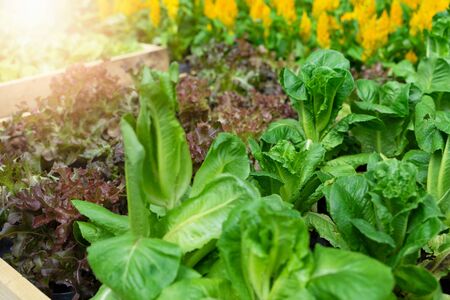
Introduction to Successional Sowing
Successional sowing is a time-tested technique that holds particular significance for British gardeners seeking to make the most of the often unpredictable UK growing season. At its core, successional sowing involves planting crops at regular intervals rather than all at once, allowing for a continuous supply of fresh produce throughout the year. This approach helps to avoid gluts and lean periods, ensuring your allotment or garden delivers harvests steadily from early spring right through to late autumn. With the UK’s variable weather and relatively short summers, mastering this method can be a game-changer for both novice and experienced growers. By strategically planning what and when to sow, gardeners can not only maximise yields but also make efficient use of limited space, reduce the risk of crop failure due to pests or adverse weather, and enjoy a more diverse diet from their own patch. In this article series, we’ll explore how successional sowing works in practice across Britain’s unique climate zones, offer practical tips for timing and crop selection, and provide guidance on integrating this approach into your seasonal gardening routine.
2. Understanding the UK Growing Climate
The UKs climate is famously unpredictable, but understanding its regional nuances is key to successful successional sowing. From the mild, damp West Country to the brisk, often frosty Scottish Highlands, growing conditions can vary dramatically within short distances. These variations directly impact sowing schedules and dictate which crops thrive in particular areas.
Regional Climate Variations
Each region of the UK presents unique challenges and opportunities for growers. The South East typically enjoys warmer and drier summers, allowing for earlier sowings and a broader choice of crops. In contrast, Northern England and Scotland often experience shorter growing seasons with cooler temperatures and higher rainfall, making frost-hardy or quick-maturing varieties more suitable.
| Region | Typical Last Frost Date | Summer Temperature Range (°C) | Notable Weather Challenges |
|---|---|---|---|
| South West | Early April | 15-22 | High humidity, late blight risk |
| South East | Late March | 17-25 | Drought spells, heatwaves |
| Northern England | Late April–May | 12-20 | Lesser sunlight, heavy rainfall |
| Scotland & Highlands | Mid–Late May | 10-18 | Lingering frost, cool nights, wind exposure |
| Wales & Borders | Mid April | 13-21 | Misty mornings, variable rainfall |
Sowing Schedules Adapted to Climate Zones
The timing of sowings must be tailored to local conditions. For example, gardeners in Cornwall might begin their first carrot sowings as early as February under cloches, while those in Aberdeenshire may need to wait until May. Microclimates—created by walls, hedges or urban settings—can also extend or shorten the sowing window.
Crops Suited to Regional Climates
- Warmer South: Tomatoes, sweetcorn and courgettes flourish with longer summers.
- Cooler North: Kale, swedes and early potatoes handle cooler soils and shorter seasons.
- Damp West: Brassicas and leeks cope well with persistent moisture.
The Importance of Observation and Flexibility
No matter where you are in the UK, close observation of your local weather patterns—and willingness to adapt—are vital. Keep records from year to year; subtle shifts in frost dates or rainfall can inform your future sowing calendar and crop choices. This approach ensures that successional sowing remains practical and productive across Britains diverse growing landscapes.

3. Planning Your Sowing Schedule
Getting the most out of successional sowing in the UK starts with a well-considered schedule that matches your local climate and available resources. A successful plan hinges on understanding both your chosen crops and the quirks of Britain’s ever-changeable weather. Here’s how you can set up a practical sowing calendar to keep your plot productive from spring through autumn.
Start with Your Local Climate Data
First, pinpoint your last frost date in spring and first frost date in autumn—these anchor points shape your growing window. Many British gardeners use the Met Office or RHS guidelines for regional frost dates, which help avoid costly mistakes. Remember, Scotland and the north tend to have shorter seasons, so select quick-maturing varieties if you’re gardening further north.
Select UK-Appropriate Seed Varieties
Choosing varieties bred for UK conditions can make all the difference. Look for seeds from reputable British suppliers—many offer strains selected specifically for our climate, such as Boltardy beetroot or Kelvedon Wonder peas. Heritage and local seed swaps are also worth exploring for resilient, regionally adapted types.
Plotting the Calendar: Spacing and Staggering
Once you’ve listed your crops and their sowing windows, plot them on a large calendar or spreadsheet. For each crop, stagger small batches every 2–3 weeks rather than sowing all at once—this is key to avoiding gluts and gaps. Use coloured pens or digital reminders to track what needs sowing when; even a simple whiteboard in the shed does the job nicely.
Tips for Maximising Yields:
- Sow undercover early: Use cold frames or windowsills to get a head start with tender crops like salad leaves or courgettes.
- Use intercropping: Pair fast growers (radishes) with slower ones (parsnips) to make best use of space.
- Prioritise cut-and-come-again crops: Lettuce, spinach, and chard can be harvested multiple times from one sowing.
- Keep succession notes: Jot down what works (and what doesn’t) each season—UK weather can throw curveballs!
A methodical approach to planning will help ensure a steady supply of fresh produce, making the most of every square metre of your plot throughout the British growing season.
4. Choosing Crops for Successional Sowing
One of the most rewarding aspects of successional sowing is the sheer variety of crops that can be grown throughout the UK growing season. Selecting the right vegetables, herbs, and flowers is crucial for consistent harvests and vibrant garden beds. Below, we highlight suitable options for British gardens, balancing time-honoured favourites with newer varieties gaining popularity among UK growers.
Vegetables Ideal for Staggered Sowing
Many classic British vegetables are perfectly suited to successional sowing. Lettuce, radishes, carrots, and beetroot all benefit from regular sowings every couple of weeks from spring through late summer. This approach not only prolongs the harvest period but also reduces gluts and ensures a steady supply for your kitchen.
| Crop | Sowing Window | Notes |
|---|---|---|
| Lettuce (e.g., Little Gem, Lollo Rosso) | March – August | Choose cut-and-come-again or hearting types |
| Carrots (e.g., Early Nantes, Chantenay) | March – July | Sow thinly to avoid overcrowding; try coloured varieties for diversity |
| Radishes (e.g., French Breakfast) | March – September | Mature quickly; ideal for filling gaps between slower crops |
| Beetroot (e.g., Boltardy) | March – July | Sow every 2–3 weeks for continuous baby beets and leaves |
| Spinach (e.g., Perpetual Spinach) | March – August | Bolt-resistant varieties are best for summer sowings |
Herbs That Thrive With Successional Sowing
Certain herbs also adapt well to staggered sowing. Coriander and dill, in particular, are notorious for bolting in warm weather, so repeated sowings ensure a constant supply of fresh leaves. Parsley and chervil are excellent choices too, especially if you prefer a year-round culinary herb bed.
| Herb | Sowing Frequency | Cultural Tips |
|---|---|---|
| Coriander (Calypso, Confetti) | Every 3 weeks, March–August | Sow in cooler spots to reduce bolting in summer heat |
| Dill (Bouquet) | Every 4 weeks, April–July | Poor transplant tolerance; direct sow preferred |
| Parsley (Flat-leaf, Curly) | Every 6 weeks, March–July | Tolerates partial shade; slow germinator but persistent once established |
| Chervil (Commun) | Every 4–6 weeks, March–September | Peppery flavour; prefers cool conditions and dappled shade in summer |
Flowers for Prolonged Colour and Pollinator Support
If you’re keen on cutting gardens or supporting local pollinators, successional sowing of hardy annuals can keep borders vibrant well into autumn. Traditional choices like cornflowers, calendula, and cosmos respond well to staggered planting. Emerging favourites such as zinnias and ammi majus are increasingly popular among British gardeners seeking longer-lasting displays.
| Flower Variety | Sowing Period | Main Benefits |
|---|---|---|
| Cornflower (Blue Boy) | March–June | Cuts well; attracts bees and butterflies |
| Calendula (Indian Prince) | March–May & August (for autumn blooms) | Edible petals; supports beneficial insects |
| Cosmos (Purity, Sensation) | April–June | Tall stems; abundant blooms into October |
| Zinnia (Benarys Giant) | April–June (under cover early) | Disease resistant; striking colours |
| Ammi majus | April–June | Lacy umbel flowers; good filler in bouquets |
A Note on Regional Adaptations
The UKs diverse climate means timing may vary between southern England’s mild springs and Scotland’s shorter summers. Always consult local seed suppliers or regional gardening groups for advice on optimal varieties and dates. Experimentation—combined with careful note-taking—will help refine your approach season by season.
5. Practical Sowing Techniques
For UK gardeners seeking to maximise yields through successional sowing, employing the right techniques is crucial. The British climate, with its often unpredictable swings, means that flexibility and careful planning are key. Below, I’ll detail hands-on methods that work well across various growing spaces—whether you’re working an allotment plot, tending raised beds in your back garden, or utilising containers on a patio or balcony.
Allotments: Planning for Scale and Diversity
Allotments offer ample space to stagger sowings and experiment with different crops. Begin by dividing your plot into distinct sections—one for early sowings (like broad beans, spinach), another for mid-season crops (such as carrots, beetroot), and a third for late-sown varieties (e.g., winter brassicas). Use string lines or wooden markers to lay out rows; this ensures neatness and makes it easier to keep track of sowing dates. Remember to label each row clearly with waterproof tags—a classic tip often overlooked! Regularly check soil moisture, especially in drier spells common in southern England, and use fleece or cloches to protect young seedlings from late frosts or hungry pigeons.
Raised Beds: Enhancing Control and Soil Health
Raised beds are a staple in many UK gardens due to their improved drainage and ease of access. To maximise successional sowing here, take advantage of the quicker soil warming in spring by direct sowing hardy crops earlier than in open ground. Use the square-foot gardening method—dividing the bed into smaller sections—to allow for frequent re-sowing after each harvest. This approach is particularly effective for salad leaves, radishes, and turnips. Between sowings, refresh the surface with homemade compost or a sprinkle of fish, blood & bone fertiliser—these are commonly available at local garden centres and suit most British soils.
Containers: Flexibility for Small Spaces
Containers provide an excellent solution for those with limited space or challenging soil conditions. Opt for deep pots or troughs (at least 20cm deep) to accommodate root crops like carrots or beetroot. For continuous harvesting, sow a few seeds every fortnight from March onwards—a tried-and-tested method among urban growers in Manchester and London alike. Use peat-free multipurpose compost mixed with a handful of perlite to ensure good drainage. Move containers to sheltered spots during cold snaps; patios near house walls benefit from residual heat. Water regularly but avoid overwatering—UK weather can be deceptive with its alternating downpours and dry spells.
General Tips for Effective Successional Sowing
- Keep a sowing diary: Record what you sow and when; this helps plan future successions and track crop performance through the variable British seasons.
- Choose reliable varieties: Many seed companies offer cultivars bred specifically for UK conditions—look out for “bolt-resistant” lettuces or “fast-maturing” carrots.
- Pest management: Netting and organic slug pellets are popular choices; check your local council’s guidelines on permitted products if working an allotment.
Summary
No matter your growing space, thoughtful application of these practical techniques will help you make the most of the UK’s unique growing season through successional sowing—ensuring fresh harvests from early spring until late autumn.
6. Managing Challenges and Maximising Yield
Successfully practising successional sowing in the UK involves navigating a unique set of challenges, particularly those posed by unpredictable weather patterns and persistent garden pests. Understanding these obstacles—and implementing targeted solutions—will help ensure your efforts translate into consistent harvests and thriving crops throughout the growing season.
Unpredictable Weather: Preparation and Protection
The UK’s climate is famously changeable, with late frosts, heavy rainfall, and dry spells all possible within a single growing season. To mitigate these risks:
- Use cloches and fleece: Protect young seedlings from unexpected cold snaps or heavy rains.
- Choose resilient varieties: Opt for cultivars bred for UK conditions—these are often more tolerant of temperature swings and wet soils.
- Stagger sowings: By spreading sowing dates, you reduce the risk of losing an entire crop to a sudden weather event.
Pest Management: Prevention First
Pests such as slugs, aphids, and cabbage root fly can decimate tender crops. For effective control in British gardens:
- Encourage natural predators: Attract birds and beneficial insects by planting pollinator-friendly flowers nearby.
- Physical barriers: Use mesh, netting, or copper tape to protect vulnerable plants without resorting to chemicals.
- Regular inspection: Check crops frequently for signs of infestation; early intervention is key.
Soil Health: The Foundation of Productivity
Sustained cropping through successional sowing can put pressure on soil fertility. Maintaining soil health is crucial for reliable yields:
- Add organic matter annually: Incorporate compost or well-rotted manure each year to replenish nutrients and improve structure.
- Rotate crops: Avoid planting the same family in the same spot each year to minimise disease build-up and nutrient depletion.
- Cultivate green manures: Sow cover crops over winter or between main crops to fix nitrogen and protect against erosion.
Troubleshooting Tips for UK Growers
- Monitor local forecasts: Stay alert to Met Office warnings and adjust your protection measures accordingly.
- Sow in modules where possible: Starting seeds under cover allows you to transplant robust young plants when outdoor conditions improve.
- Mulch generously: Use straw or leaf mould to conserve moisture during dry spells and suppress weeds year-round.
A Practical Mindset
No matter how carefully you plan, some losses are inevitable—but with sound preparation, thoughtful variety selection, and close observation, UK gardeners can dramatically increase both resilience and yield through successional sowing practices.
7. Harvesting and Succession Planning
Achieving a truly productive garden in the UK hinges not only on sowing at the right times, but also on well-planned harvesting and immediate re-sowing of available beds. Timely harvesting is crucial; leaving crops in the ground for too long can reduce quality and increase susceptibility to pests and diseases. It’s worth familiarising yourself with the optimal picking windows for each crop — for instance, baby carrots are best lifted when finger-sized, while salad leaves can be cut young for a sweeter flavour. Once you’ve harvested a bed, clear away any plant debris and lightly fork over the soil to prepare for the next round of sowing.
Rapid Re-sowing Techniques
Adopting a methodical approach to re-sowing will help maintain momentum throughout the season. Keep seeds or young plug plants ready so you can swiftly fill any gaps left by harvested crops. Fast-growing varieties such as radishes, lettuce, or spring onions are ideal candidates for quick turnaround. In cooler months, consider using cloches or fleece to provide extra warmth and extend cropping into early spring or late autumn.
Continuous Cropping Strategies
To guarantee a steady supply of fresh produce, create a simple succession plan — either on paper or digitally. Map out which beds will host specific crops at different points in the year, factoring in their growth cycles and preferred conditions. For example, after early peas have finished in June, follow with French beans or late-season brassicas. Integrating green manures between main crops will also help maintain soil fertility and structure.
Adaptation for UK Climates
The unpredictable British weather means flexibility is key. Monitor local forecasts and adjust your plans accordingly; sometimes it pays to hold back sowings during an unexpected cold snap or dry spell. Regularly walk your plot to spot harvesting opportunities or emerging gaps that could be filled with another sowing.
Year-round Abundance
With thoughtful harvesting and prompt re-sowing, even modest-sized gardens can yield a continual harvest across the UK growing season. By blending traditional wisdom with modern tools such as online planting calendars and weather apps, you’ll be able to adapt your succession plan dynamically. Ultimately, these strategies ensure that no patch of earth is left idle for long — maximising both yield and enjoyment from your garden.